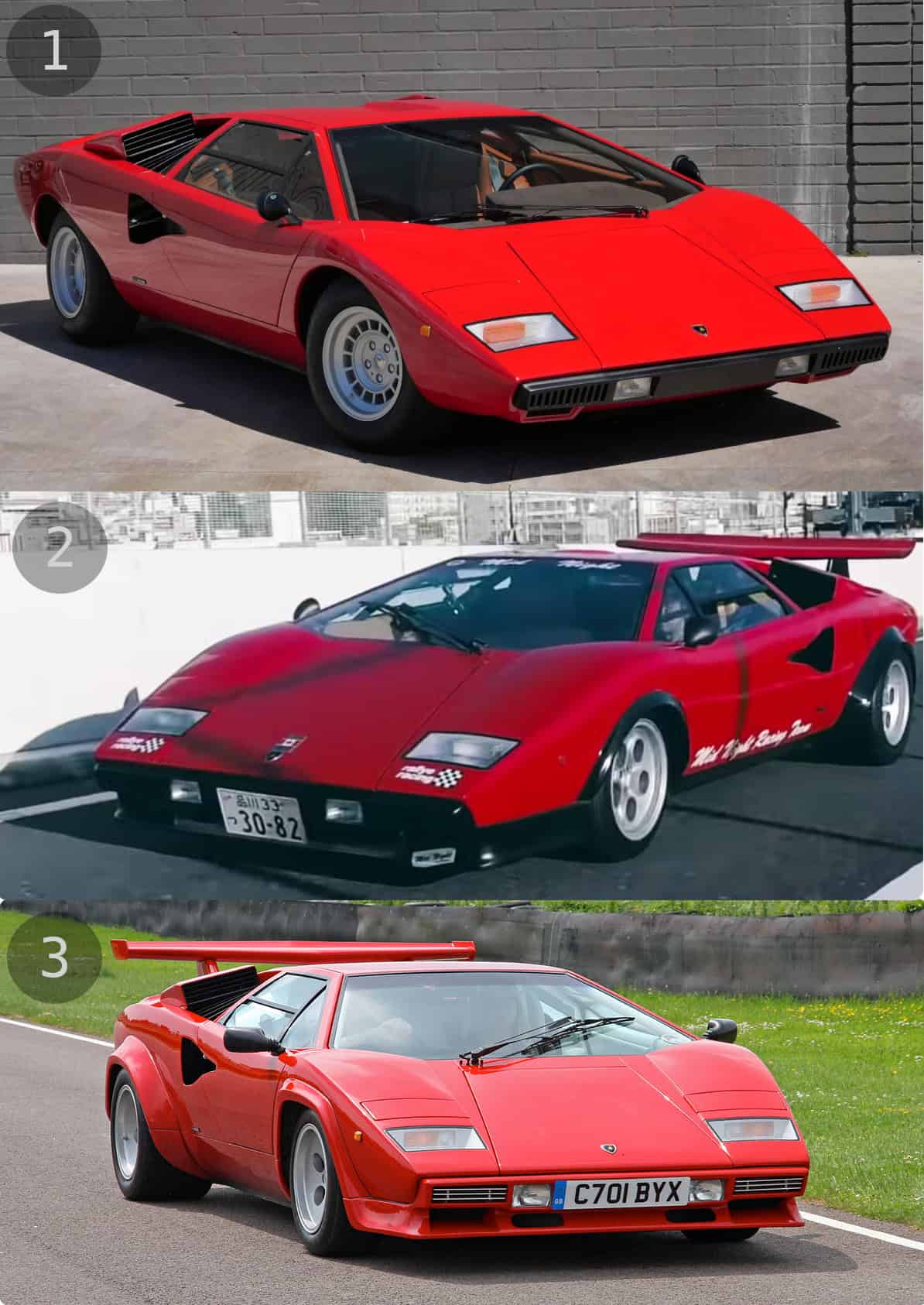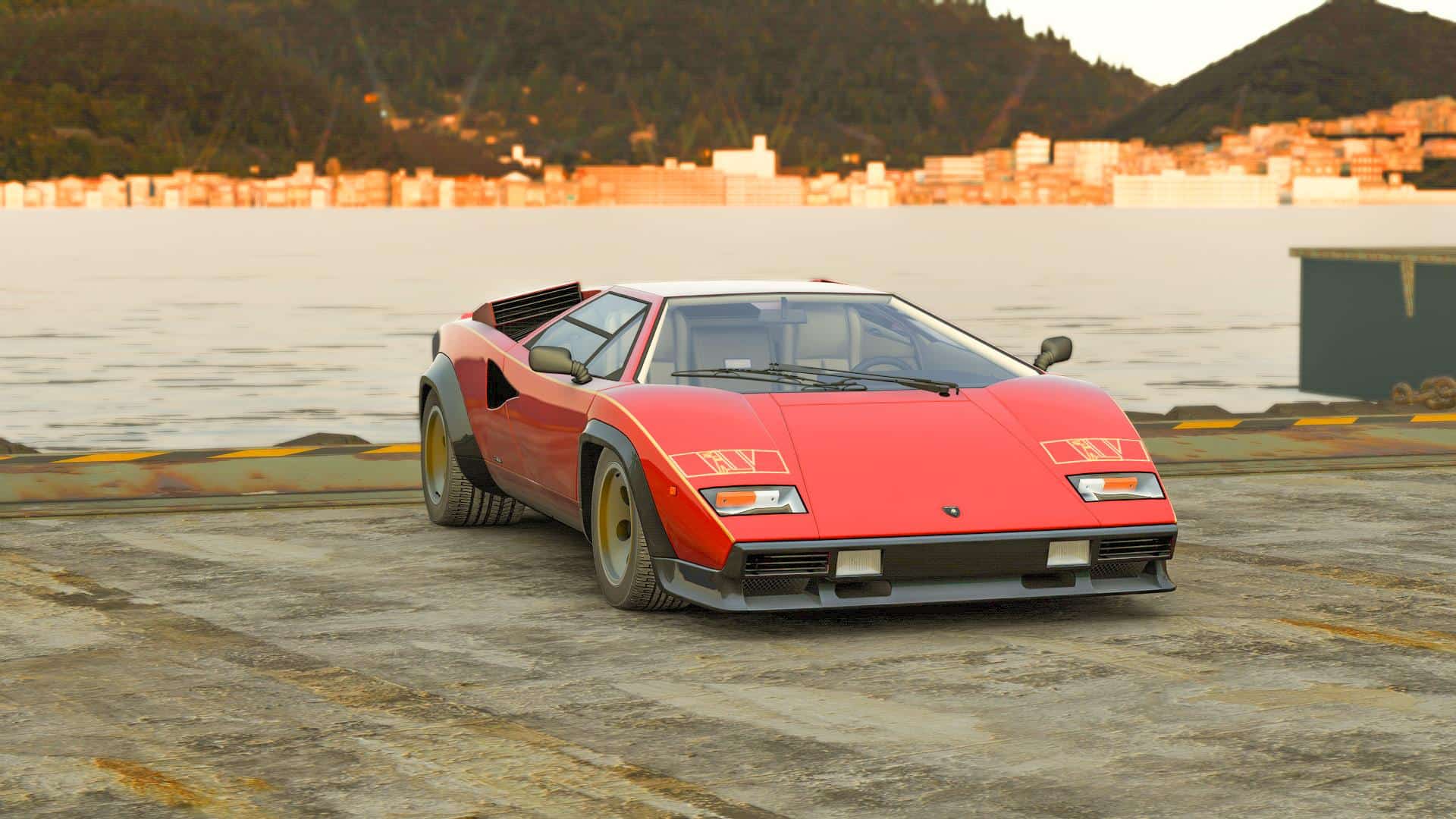
The Countach We All Know Exists Because of One Canadian
As someone who thought they knew every corner of the Countach story, every variant, every sketchy handling quirk, every design, I recently found out I was missing a piece of the puzzle. I have been deep into this car since fifth grade. I remember checking out a Countach book from the school library and just falling in love with it. Specifically the mid 80s version. The poster car. Black with gold wheels. Or sometimes silver. Like Ron Rice’s car that showed up in the first Cannonball Run movie and the old Hawaiian Tropic ads. The Countach was engraved into our culture. I loved everything about it.
I was nineteen before I saw one in person. And by then, I thought I knew it all. I knew the versions. I knew the changes. I knew the difference between the 25th Anniversary and the earlier LP cars. I thought I had the whole story.
But I didn’t.
I had heard the name Walter Wolf. I knew he had early versions of the car before they were officially released, or at least that is what I thought. What I did not know turned out to be pretty interesting.
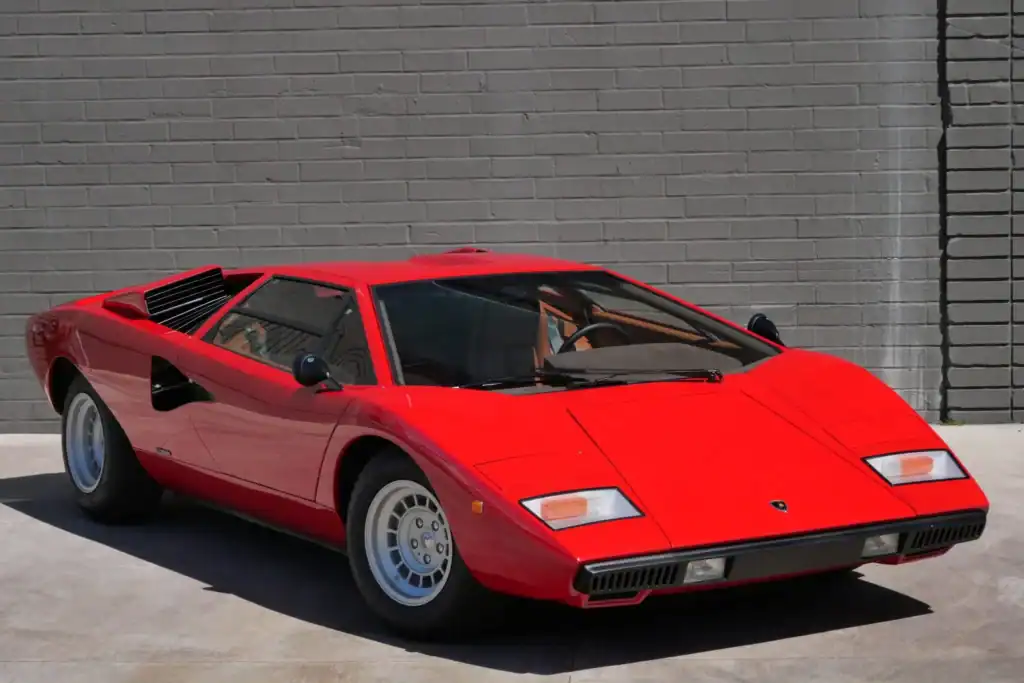
The original P400. Beautiful and clean, but restrained.
See, before the big arches, the massive wing, the front aero and the side skirts, before the Countach turned into the thing we all stuck on our bedroom walls, there was Walter Wolf. And Wolf was not just some rich guy collecting toys. He was taking stock P400s and paying Lamborghini to rework them completely. He even had to call Pirelli to get tires custom made because no one even made a 305 at this time. But they did for him. Funny little detail about that coming up in a moment.
His first Countach, chassis 1120006, landed in 1974. Not only was it the first customer delivered Countach ever, but Walter immediately started making it faster. He did not just want the look. He wanted the thing to drive like it belonged in the future. So he started swapping engines. Bigger motors. More power. Suspension tuned so it did not feel like it was trying to kill you at speed. Every car he built came back different. He built three in total, each one a little meaner than the last.
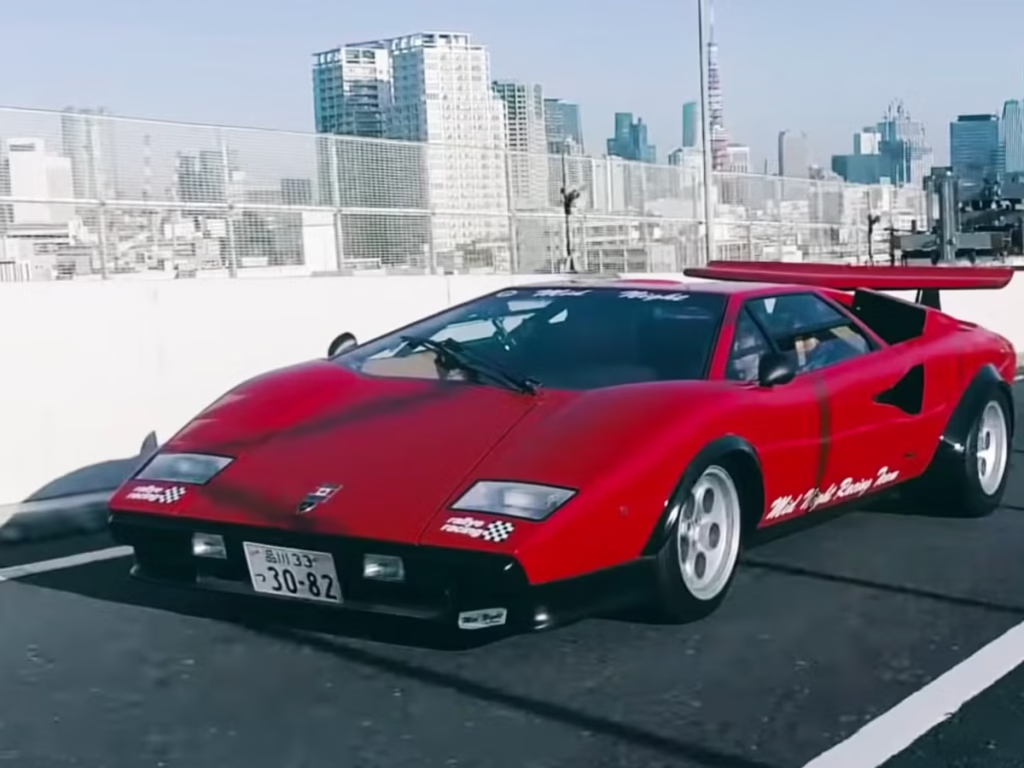
The Walter Wolf version. Wider. Meaner. A whole different animal.
By his second build in 1975, chassis 1120148, the car was wearing massive wheel arches and an absurdly wide set of Pirelli P7s. The look was wild. The stance was mean. By the time the third car rolled out in 1976, chassis 1120202, it was essentially a prototype for the future Countach with a 5.0 liter V12 based on the LP500 test mule and a whole new look.
And Lamborghini took notice.
Not only did they take notice. They quietly admitted he was right. They started folding in his changes. The LP400S came out in 1978, and if you look at it, it is basically a watered down Wolf car. The arches. The wing. The tires. The look. The attitude. It did not come from a designer’s sketchpad. It came from a guy who wanted more and had the wallet to make it happen.
So no, Walter was not given prototypes from Lamborghini. He was actually paying Lamborghini to build his own custom versions, and they thought the results were so good that they became the Countach we know and love today.
Without Walter Wolf, who knows what the Countach would have become. It might have stayed skinny and a little awkward. We might have been stuck with a Testarossa on our walls instead.
Funny side note about those custom tires. When the first Wolf car got sold to a collector in Japan, it started showing up at local events. But in the late 70s photos, it is back on stock Countach wheels and skinny 275s. It looks completely off. Like it skipped leg day. Pirelli was only making the 305s for Walter, not for the people who bought his cars afterward.
Google it. You will see what I mean. It would have been quite frustrating for that new owner, i’m sure.
What I have pictured here shows the evolution better than I ever could with words. First, the clean lines of the original P400. Then the Walter Wolf version of that same car, wider and more serious. And finally the production 1984 5000 QV. By that point, Lamborghini had fully leaned into the chaos. The car had grown into the beast we all remember.
But it did not happen in a vacuum. It happened because one guy kept pushing