
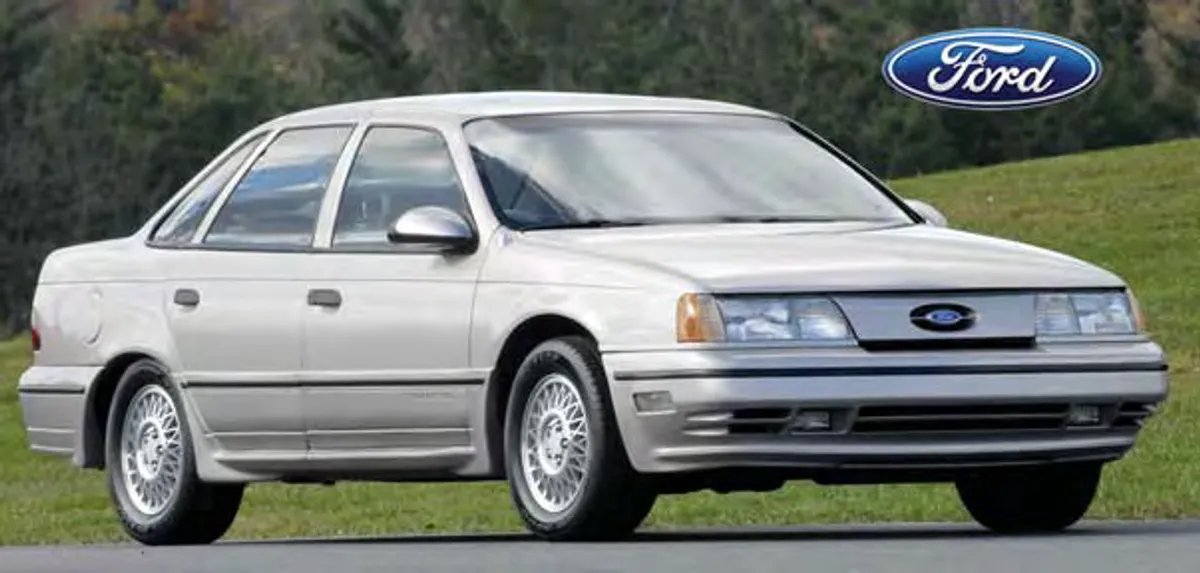
One of my Radwood-style favorites is the Ford Taurus SHO. I spotted one this morning on Facebook Marketplace. It was properly scruffy, too scruffy even for me at the $2,500 price, but I still had to pause and reminisce.
Now, if you weren’t alive back then or just forgot, the original Taurus dropped in 1986, and then 1989, Ford released the SHO. It looked mostly like a regular Taurus with some light aero tweaks. But under the hood? It was very different.
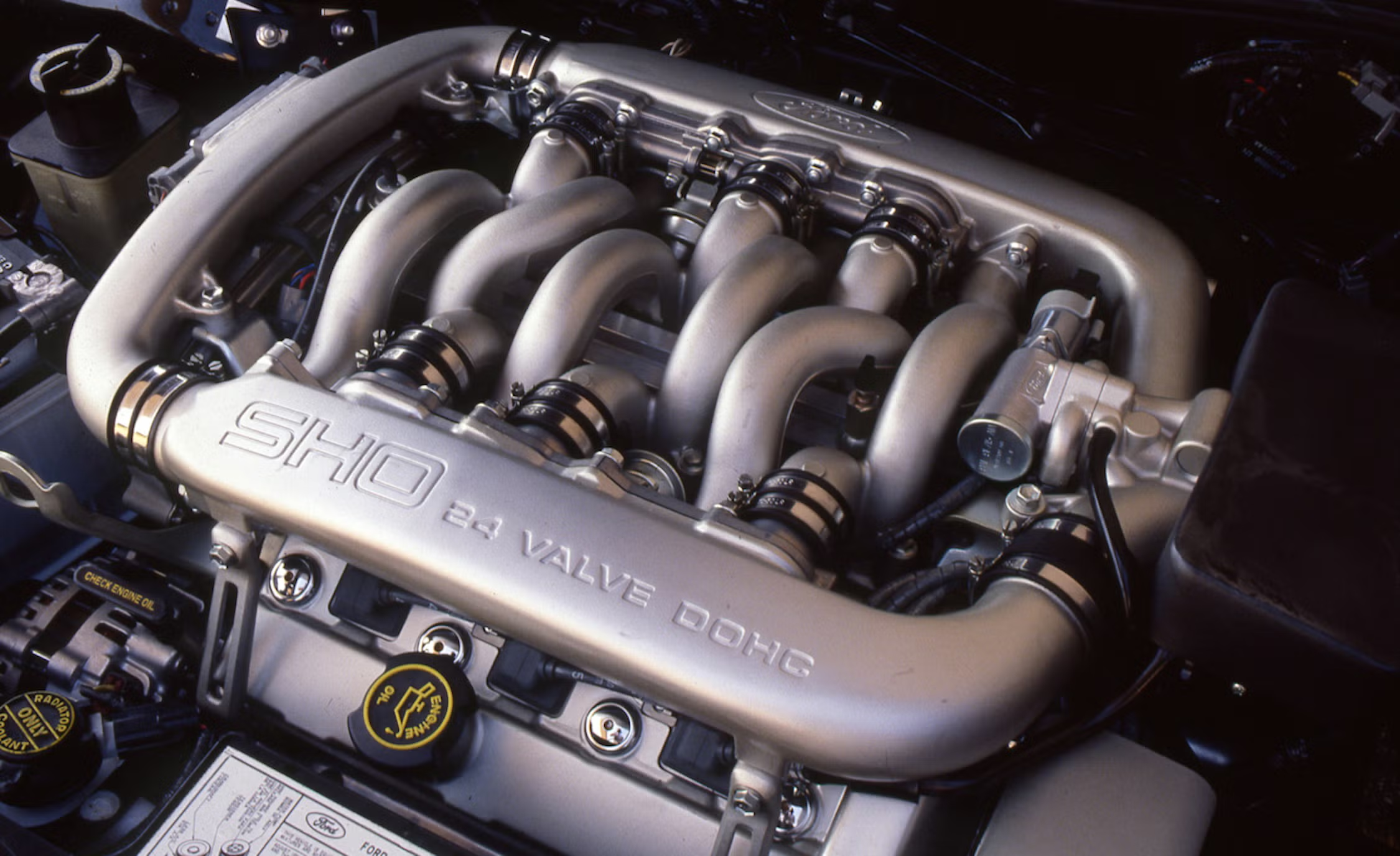
SHO Intake Manifold
Ford had given the specs to their Vulcan 3.0L to Yamaha so that Yamaha could do Yamaha things to it. They redesigned the heads, they came up with one of the coolest intake manifolds ever made, and even today it’s still a properly cool intake. Their rendition of the Vulcan had a 7,300 RPM redline and 220 horsepower, which made a little boring Taurus the most powerful front-wheel-drive sedan on the market at the time. It clocked in at 0 to 60 in 6.6 seconds and had a top speed of over 140 mph. Now, you have to remember this was a time when most sedans that were available had a 12+ second 0 to 60, so it wasn’t just faster. This thing was a rocket compared to everything else. I mean, this was a sedan that could have been lined up at a stoplight with a Corvette of the time and the Corvette would win, but not by much. And that was not a common thing at the time.
Today we have tons of super sedans that keep up with and even surpass modern supercars, but that is quite a new thing. Sedans were slow back in the ’80s. The SHO was not. And it wasn’t just fast in a straight line. It had some game in the twisties as well. It was able to beat one of my favorites, the BMW E30, in the slalom.
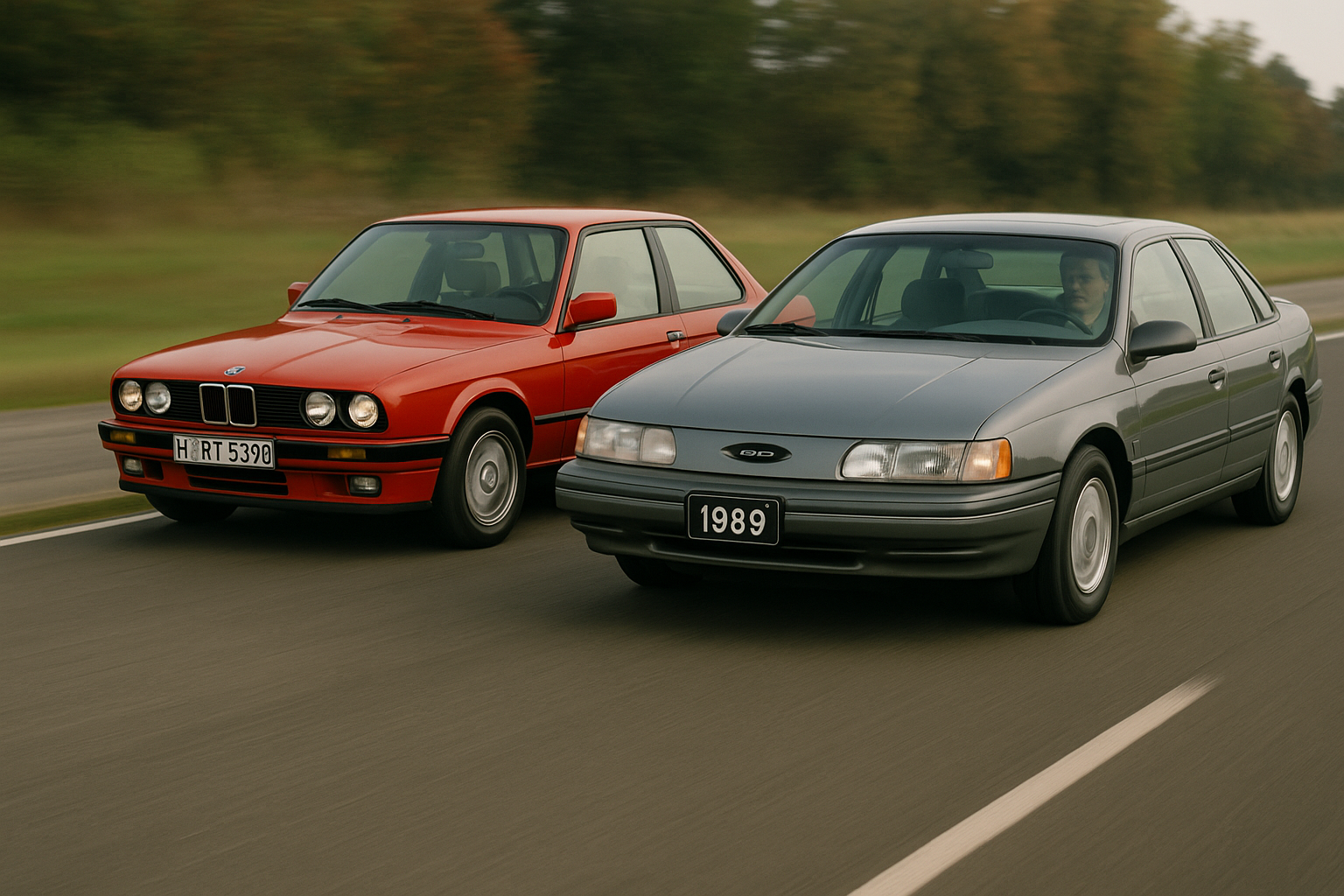
BMW E30 Vs Taurus SHO*
I’ve had the chance to drive a few SHOs over the years, and they are a properly good time. The chassis feels tight, the steering is good. It actually feels like it’s attached to the car. My only complaint is that second gear is a little too tall. When you’re pushing hard through twisties, there’s this annoying dead zone. You’re nearing the top of second, but it’s too early for third. It’s a nitpick, but it’s there if you drive it like it wants to be driven.
So why didn’t it sell? Year one moved around 15,000 units. Year two, barely 8,000. Meanwhile, the regular Taurus sold over 400,000 units per year. I think the problem was the SHO was subtle. Too subtle. It didn’t scream “performance.” It whispered it. I mean, today we love the idea of a 680 hp AMG that is subtle enough to blend into the background as just another Merc, but it wasn’t like that in the ’80s. Fast cars needed spoilers, badges, and big exhaust tips. The SHO just looked like another Taurus in a sea of Tauruses. Anytime you pulled into a store parking lot at this time, every third car was a Taurus, and the SHO was very understated. So if you had a little extra money to spend, you spent it on the flashier badge, the E30 BMW. The downfall of the SHO was the success of the regular Taurus, in my opinion.
What we’re left with is a rare, odd little sedan that punched way above its weight. It was a ahead of its time. And that’s exactly why it’s so damn cool.
*I don’t usually use AI-generated images on this site, but in this case, I couldn’t find a single real photo of these two cars side by side. I know it happened, I remember the MotorTrend article, but I have no idea where that image lives now.